While cavities, chips, and cracks are certainly bad for smiles, so are crooked teeth. Leaving them alone will only harm your mouth’s health and good looks, resulting in a lower quality of life. All that said, don’t worry – our practice can provide you with traditional braces in San Antonio! These time-tested devices will “straighten out” any misaligned grin, ensuring it looks and feels great. To learn more about them and how they work, keep reading or book a consultation today.
Why Choose San Antonio Smiles for Traditional Braces?
Happy to Help Kids & Adults Alike
Warm & Welcoming Dental Team
Dental Insurance Accepted
How Do Traditional Braces Work?
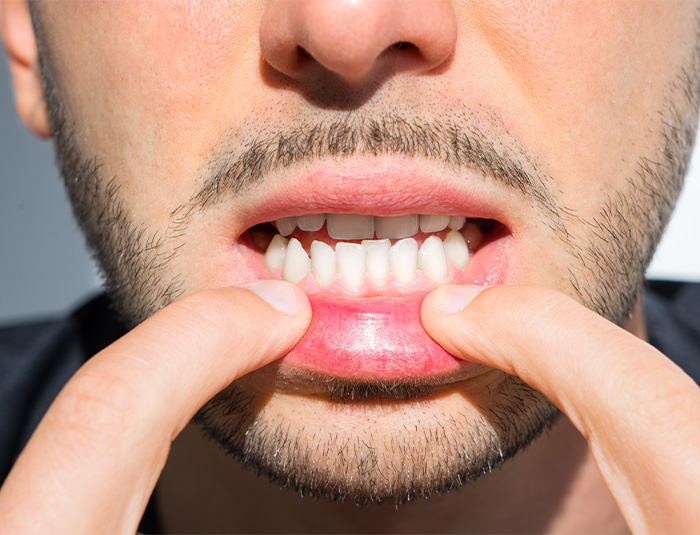
Sadly enough, permanent teeth have a tendency to shift out of place. This movement – which can stem from age, tooth loss, grinding habits, etc. – makes your smile crooked when left unchecked. Worse, it also elevates your risk of tooth decay, TMJ disorder, and more.
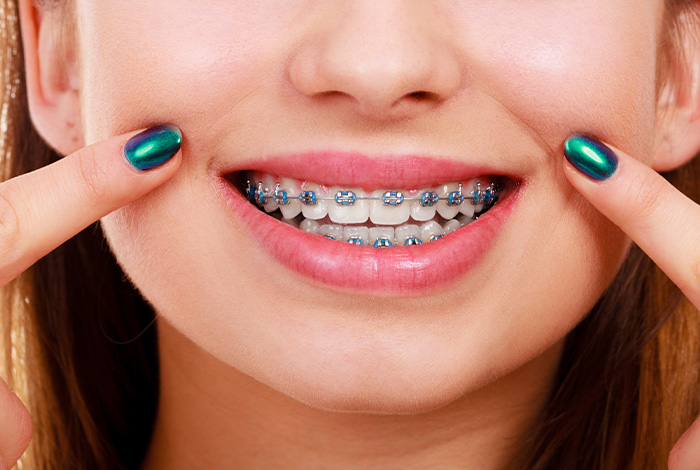
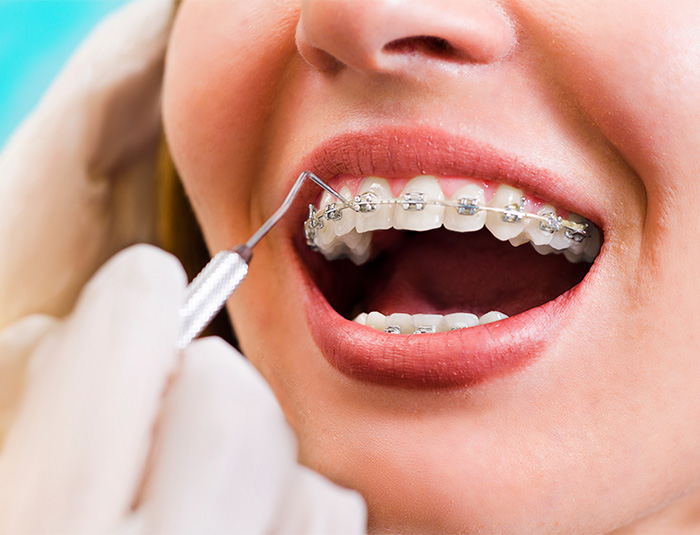
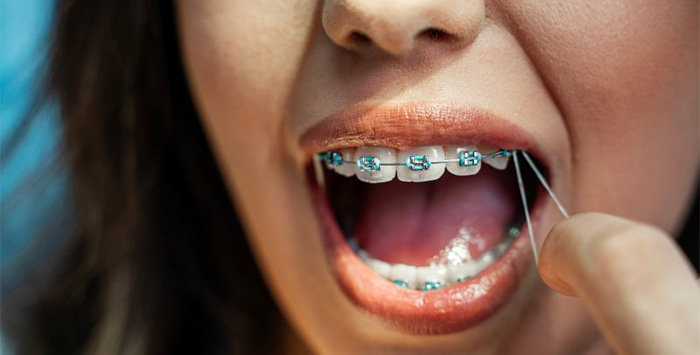
Traditional braces are a long-standing solution for misaligned grins. By bonding metal brackets and wires to your smile, they apply pressure that moves your teeth into the right positions. Using them thus leads to “straight” pearly whites (and an aligned bite).
Granted, most traditional braces take two or three years to work. They also require dental “check-in” visits every 6-8 weeks.
What Orthodontic Issues Can Braces Fix?
At your consultation, Dr. Rodriguez will review your case and confirm whether traditional braces suit you. His assessment will partly depend on whether you have issues that braces can fix, such as:
Bite Misalignment
If it isn’t dealt with, a misaligned bite can result in TMJ dysfunction, teeth grinding, and similar oral issues. The good news is that traditional braces can easily treat this problem. As their metal parts slowly move your jaw muscles, they’ll bring your whole bite into alignment.
Crowded & Crooked Teeth
Crowded and crooked teeth aren’t just bad for your appearance. Left untreated, they’ll erode your smile’s enamel layer by excessively rubbing against each other. That process would then result in tooth sensitivity, cavities, and even infections. Still, traditional braces can address this matter; their brackets and wires would set your pearly whites straight.
Gapped Teeth
Aside from looking ugly, gapped teeth trap food in your mouth and increase your risk of oral issues. The bright side is that traditional braces can effectively fix them. As they apply pressure on your smile, they’d close unneeded spaces and ensure your grin is strong and protected.
Caring for Your Braces
Though durable, braces need regular care to work properly. You should thus remember and use the following tips:
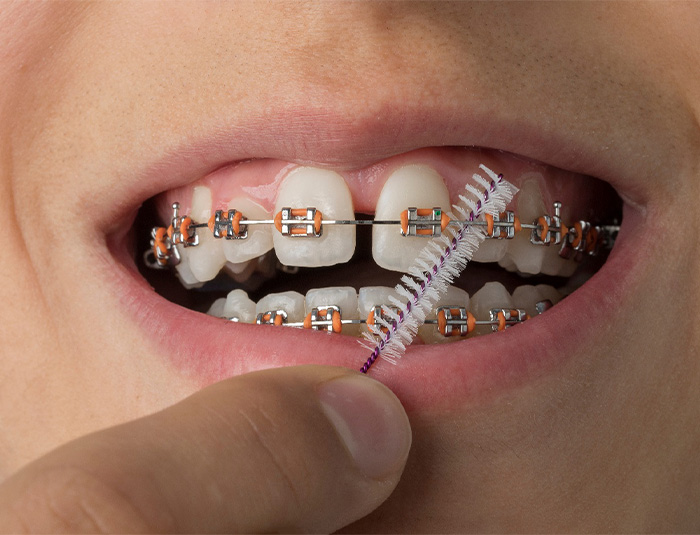
Practice Good Oral Hygiene – Getting cavities or gum disease would delay your treatment progress with braces. Therefore, brush your teeth twice daily for at least two minutes. You should also floss at least once daily.
Avoid Risky Foods – Try to avoid overly hard, crunchy, or tough foods. If you’re unlucky, chewing them could break your appliance’s archwire or dislodge its brackets.
Get Regular Checkups – You should see your dentist (or orthodontist) for regular follow-ups every 6-8 weeks. That way, your metal braces are more likely to work as intended.
Understanding the Cost of Traditional Braces
No two orthodontic processes are exactly alike, and the cost of one patient’s treatment can vary considerably from that of another. While we cannot provide you with a proper cost estimate before we can evaluate your teeth during your consultation at our office in San Antonio, this short guide can help you understand how traditional braces are priced so you can have an idea of what to expect. Please contact our staff if you’d like to learn more.
Factors That Affect the Cost of Traditional Braces
The overall cost of a patient’s orthodontic treatment will be determined by a few major factors such as:
Severity of the misalignments: More severe misalignments usually require longer treatments to resolve.
Length of the treatment: Longer treatments usually cost more since they require more checkups, supplies, and adjustments.
Age: Younger patients typically require briefer treatment times than older ones.
Number of follow-up appointments: Some patients may require more frequent checkups or adjustments, and the cost of these sessions will be noted on your bill.
Appliances needed: Some patients will need additional supplies like space maintainers, palatal expanders, headgear, elastics, and retainers. The costs of these devices will be represented on the bill.
Compliance: Strictly adhering to our treatment guidelines will help you avoid complications that can delay your realignment process.
Professional Braces vs. "DIY" Braces: Which Costs More?
While you may have heard about discounted “do-it-yourself” orthodontic treatments, these methods involve minimal professional oversight and can lead to complications such as injuries and worsened misalignments. These issues can require costly restorative work or remedial orthodontic treatments to address. To avoid these expensiveproblems, it’s best to only receive orthodontic care from qualified professionals such as those on the team at San Antonio Smiles.
Does Dental Insurance Cover Braces?
Some dental insurance plans offer at least partial coverage for orthodontic work, and traditional braces are more likely to be covered than clear aligners. However, your plan may only pay for treatments used to resolve health issues, so your procedure may not be covered if it only addresses cosmetic concerns. In many cases, orthodontic coverage only applies to patients under the age of eighteen.
If your plan covers orthodontic care, it will probably pay for up to 50% of the cost. The team at San Antonio Smiles will be happy to help you navigate your policy and confirm what it will cover so you can know exactly what it will pay for. We’ll also gladly file your claim for you.
Traditional Braces FAQs:
Can I Get Traditional Braces On Just One Row of Teeth?
Are you considering getting braces on either your top or bottom arch to address minor concerns, such as a slight gap between your front two teeth? You might think this type of single-arch treatment might save you money and time, but it’s not usually recommended.
This is because adjusting the positioning of only certain teeth might impact how your top and bottom rows touch together when you bite down. Applying treatment only to one arch might lead to or exacerbate an already existing malocclusion, such as an overbite, underbite, or crossbite. Then, you may require additional orthodontics to address any damage caused by trying to shift only one row, which may increase both your final treatment cost and your overall timeline.
How Long Do Traditional Braces Usually Take?
Although many patients in San Antonio complete treatment within 18 to 36 months, the exact length of time it takes to shift your teeth to their ideal positions can depend significantly on your unique situation. Different factors can potentially impact your treatment timeline, including:
How old you are. Older adults have teeth that are more firmly rooted in a stronger jawbone, so it can take longer for them to shift.
The severity of your condition. More severely misaligned, torqued, gapped, or overcrowded teeth require a greater distance or direction to travel, which increases the longevity of your treatment.
Your compliance with guidelines. If you fail to follow our team’s directions, like wearing bands to pull your jaw into alignment, you’re less likely to complete your treatment at the anticipated rate.
Am I Too Old to Get Braces?
Many patients straighten their smiles in their teenage years, leading many adults to believe they’ve waited too long to try to undergo treatment. However, it’s possible to require traditional braces later in life, as your teeth continue to shift with the pressure of everyday biting and chewing.
Our team is happy to examine your condition and provide more detailed information about whether you’re a good candidate for braces based on our findings. Thankfully, many adults successfully complete this treatment and enjoy the benefits to their appearance and oral health that come with having perfectly even arches.
What Happens Once Braces Are Removed?
Your teeth are anchored in place by tissues that have a natural capacity for movement, which allows orthodontic services to effectively redirect them. However, they also have muscle memory and are prone to moving back to their original positions, especially immediately after treatment when the brackets and wires are removed.
As a result, our team will likely provide you with a retainer to wear. These oral appliances don’t exert enough force to shift your grin, but they do help ensure that everything remains in its correct place long enough for your mouth to adjust. We’ll provide specific directions regarding when and how long you should continue wearing your retainer to maintain your recent results.
At San Antonio Smiles Dental & Orthodontics, we offer unique benefits, prioritize patient needs and comfort, and strive to exceed expectations every chance we get.
Work Hours
Monday: 8:00 am - 4:00 pm Tuesday: 8:00 am - 4:00 pm Wednesday: 8:00 am - 4:00 pm Thursday: 8:00 am - 4:00 pm Friday: Closed Saturday: Closed Sunday: Closed